Serendipitous Synapses
What is mentorship if not simply a synapse? It’s a connection and flow of information between two people that functions in the same way as a neuronal intersection. Just as two neurons interface to send neurotransmitters from one cellular port to the next, so do humans send different bytes of information back and forth to each other, modulating each other, helping each other achieve. In many ways, mentorship is a complete mirror of the very molecular synapses that give rise to it.
Navigating the world of medicine and more specifically, functional neurosurgery, cannot be done alone. It requires connection. It requires information sharing. It requires long-term potentiation. It requires learning from mentors and collaborators and being humble enough to realize that you can’t do it all yourself. The most fruitful and productive moments may come only after we have connected with others.
Five years ago now, as a bright-eyed, bushy-tailed medical student eager to learn about the mysterious world of brain surgery, I couldn’t help but feel drawn towards deep brain stimulation. It sounded enigmatic to me. What structures were so deep in the brain that we were stimulating? How does stimulation alter the brain? Who were the inventive physicians and scientists behind this concept? What data exists to prove its efficacy? How does it impact patients? I wanted to find answers to these questions.
In medical school, students had the opportunity to design a second-year elective, and I thought it would be a great opportunity to dive deep—no pun intended—to the history of deep brain stimulation.
Luckily, I had a giant in functional neurosurgery, Dr. Robert Gross, on campus. I remember nervously approaching his office to propose that he be my supervisor for this elective. Not only was I met with such sincere support and geniality, but Dr. Gross shared with me something truly serendipitous. A few weeks prior he was asked by Kim Burchiel to contribute a book chapter on the history of movement disorder surgery. I left his office not only with approval of my elective, but I now had the opportunity to write a book chapter with someone who I looked up to and was a leader in functional neurosurgery and deep brain stimulation.
I completed the elective and then spent months on top of that preparing a 60-page book chapter about the entire history of surgery for movement disorders. Fortunately, this was a topic that Dr. Gross already had an entire presentation on, so I had a good place to start.
This experience turned out to be the most influential part of my neurosurgery education in medical school. I had the chance to learn about the history of neurosurgery and the historic names behind the technologies we have today—Benabid, Spiegel, Wycis, Huxley, Gildenberg, Meyers, Cooper, DeLong, and so on— something that isn’t built into traditional medical school curriculums.
As I reflect on my journey to neurosurgery and my experiences in functional neurosurgery, this story exemplifies this lesson: students must build synapses. We all must find postsynaptic neurons— mentors, collaborators, and friends— to learn from. Just as neurons that fire together wire together, so do academic relationships. We all benefit from a bit of Hebbian social electricity. To students reading this, I encourage you to approach that surgeon, propose that grant to a PI, and know that you will benefit from it regardless of the outcome if you are open, honest, and curious.
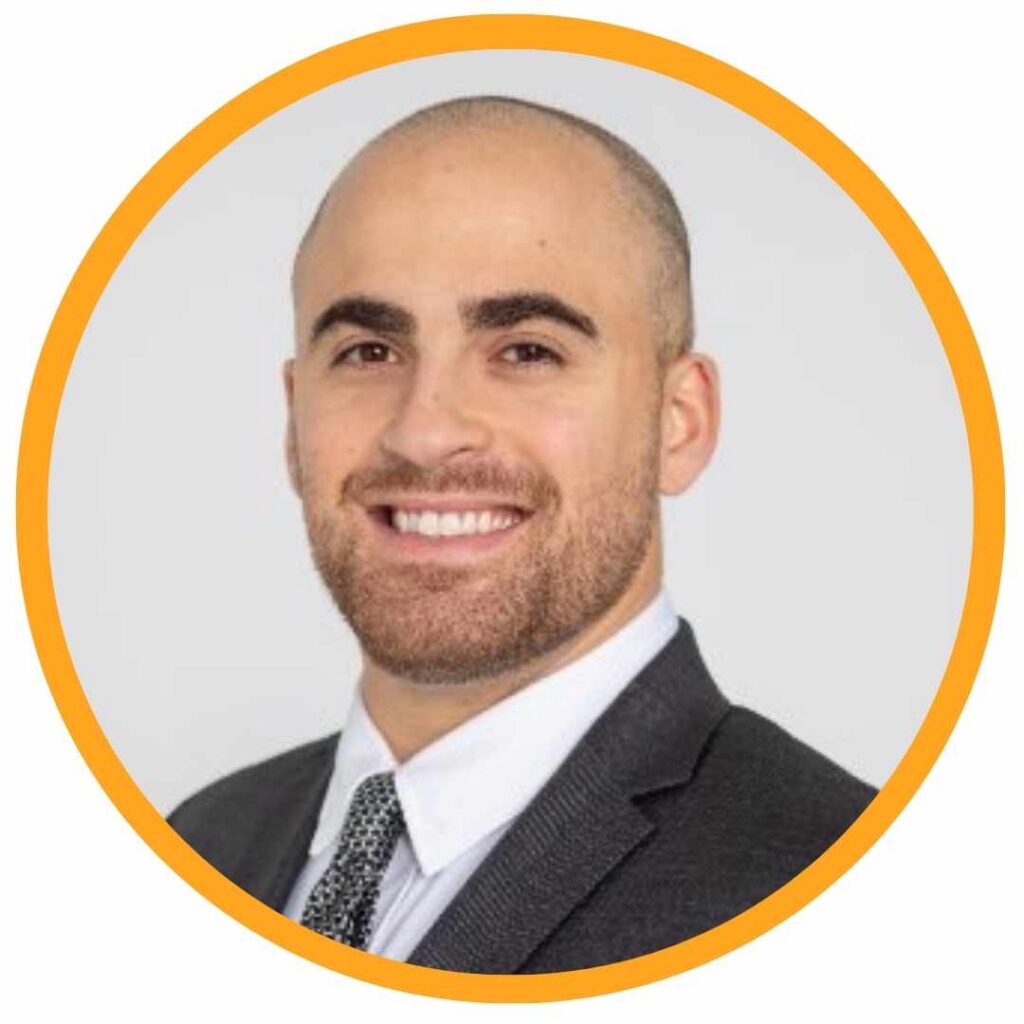
By Zachary Bernstein, MD, MS (PGY-1)
UCLA Neurosurgery
In This Issue
Fall 2026
- Advancing Functional Neurosurgery Together | President’s Welcome
- Building Bridges of Knowledge: Reflecting on the ASSFN Biennial Meeting
- CNS 2026: Specialized Track for Stereotactic and Functional Neurosurgery and New ASSFN Reception
- AMPLify Your Future: Apply to ASSFN Functional Neurosurgery Mentorship Program
- Advancing Epilepsy Care: Fall Installments of ASSFN Webinars
- Serendipitous Synapses